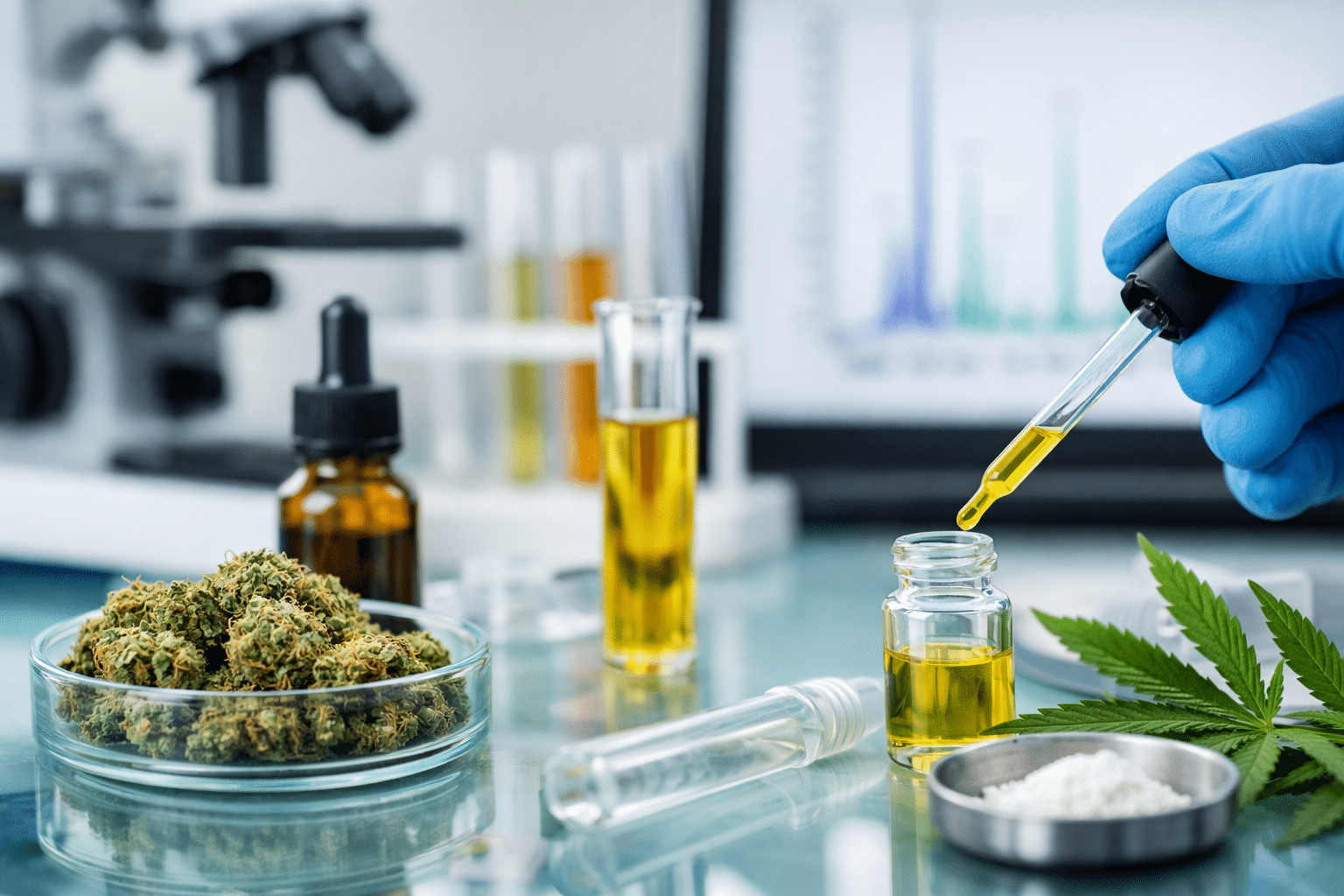
When you walk into a dispensary or look at a cannabis product, you will see a label listing numbers like THC percentages or showing that the product passed safety checks. Because the cannabis plant absorbs everything from its environment and produces hundreds of unique organic chemical compounds, specialized laboratories test it to make sure it is clean, safe, and accurately labeled.
Think of a cannabis testing lab like a high-tech kitchen mixed with a forensics lab. Here is a breakdown of how technicians test cannabis using advanced machinery, explained in plain English.
Quick Summary of Cannabis Testing
Labs look for two main things: the good stuff we want (like THC and flavors) and the bad stuff we don’t want (like mold, heavy metals, bugs, and pesticides).
| What We Test For | What It Means | The Tool We Use | How It Works (In Simple Terms) |
| THC & Cannabinoid Potency | How strong the product is. | HPLC (High-Performance Liquid Chromatography) | Pushes liquid through a tight filter to separate and measure active ingredients. |
| Total Terpenes | The natural oils that give cannabis its smell and taste. | GC-FID / GC-MS (Gas Chromatography) | Bakes the sample into a vapor to sniff out and identify the aromas. |
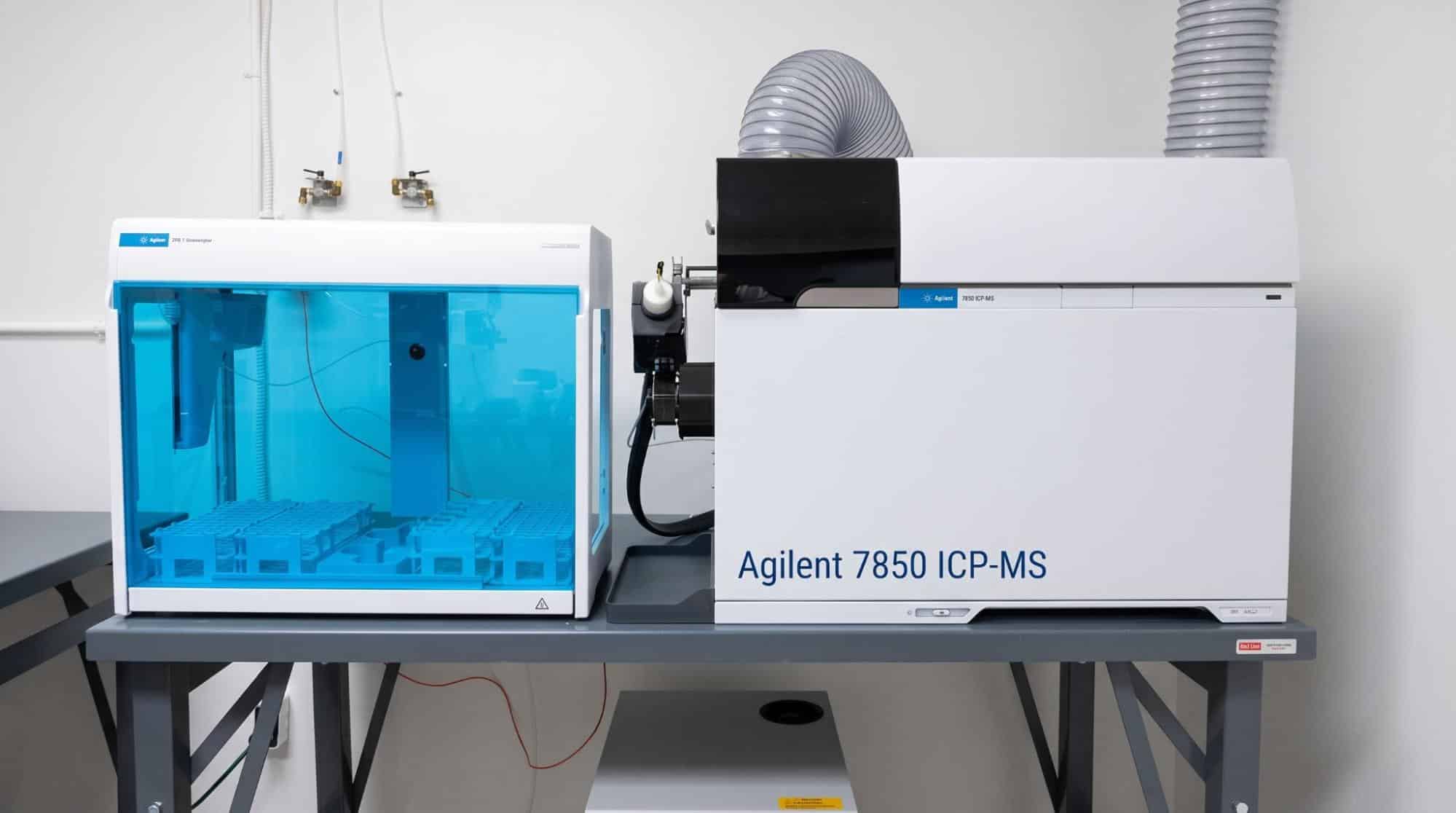
| Heavy Metals | Toxic elements like Lead or Mercury from the soil. | ICP-MS (Inductively Coupled Plasma Mass Spectrometry) | Vaporizes the sample in a flame hotter than the sun to count individual metal atoms. |
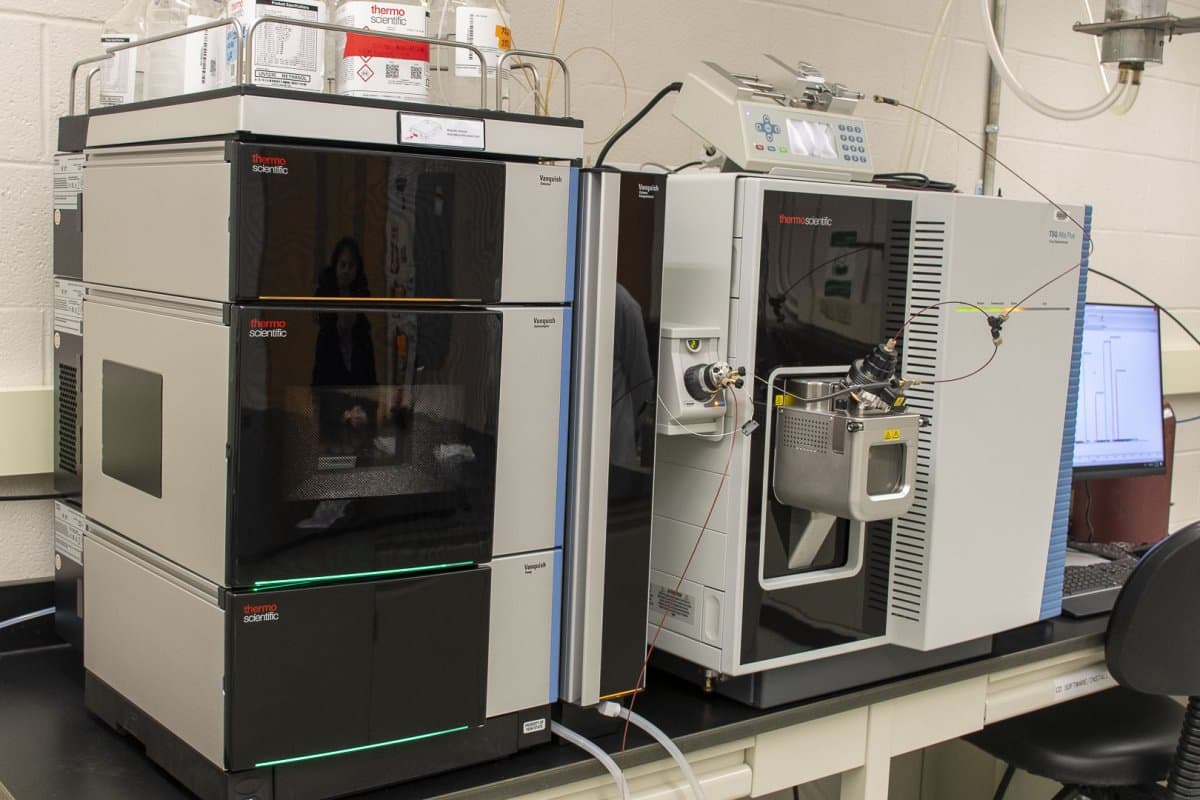
| Pesticides & Mold Toxins | Bug sprays or chemical poisons left on the plant. | LC-MS/MS (Tandem Mass Spectrometry) | Acts like a molecular security checkpoint, shattering chemicals to identify them by weight. |
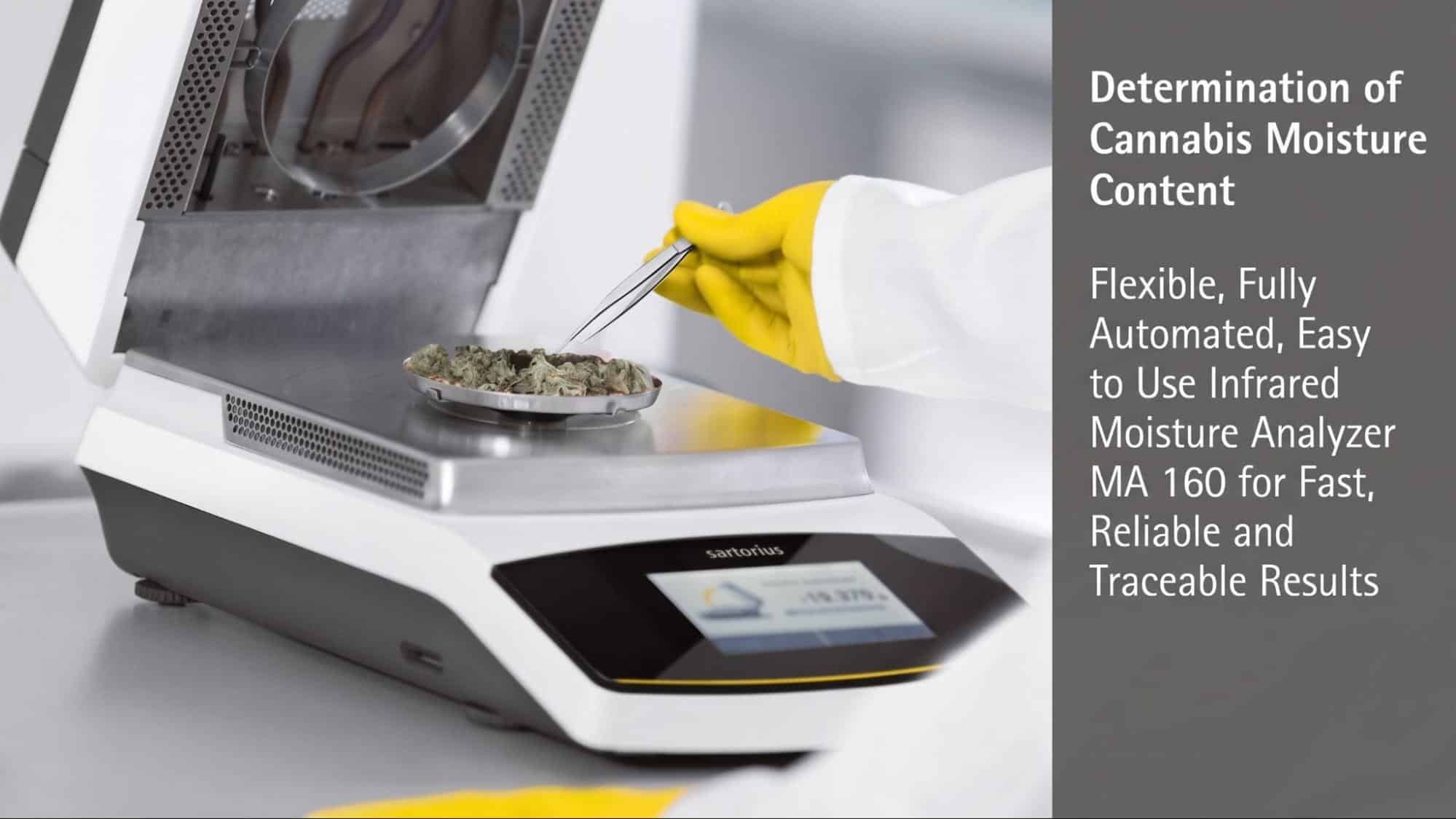
| Moisture & Water Activity | How dry the flower is and if it is damp enough to grow mold. | Moisture Analyzers & Dew Point Meters | Weighs the sample before and after drying it out; measures trapped humidity. |
| Mold, Yeast & Bacteria | Dangerous microbes like E. coli or Aspergillus. | qPCR (Quantitative Polymerase Chain Reaction) | Photocopies DNA to see if harmful bacteria or mold are hiding in the plant. |
How Cannabis Testing Works in New York
1. THC Levels & Potency (How Strong Is It?)
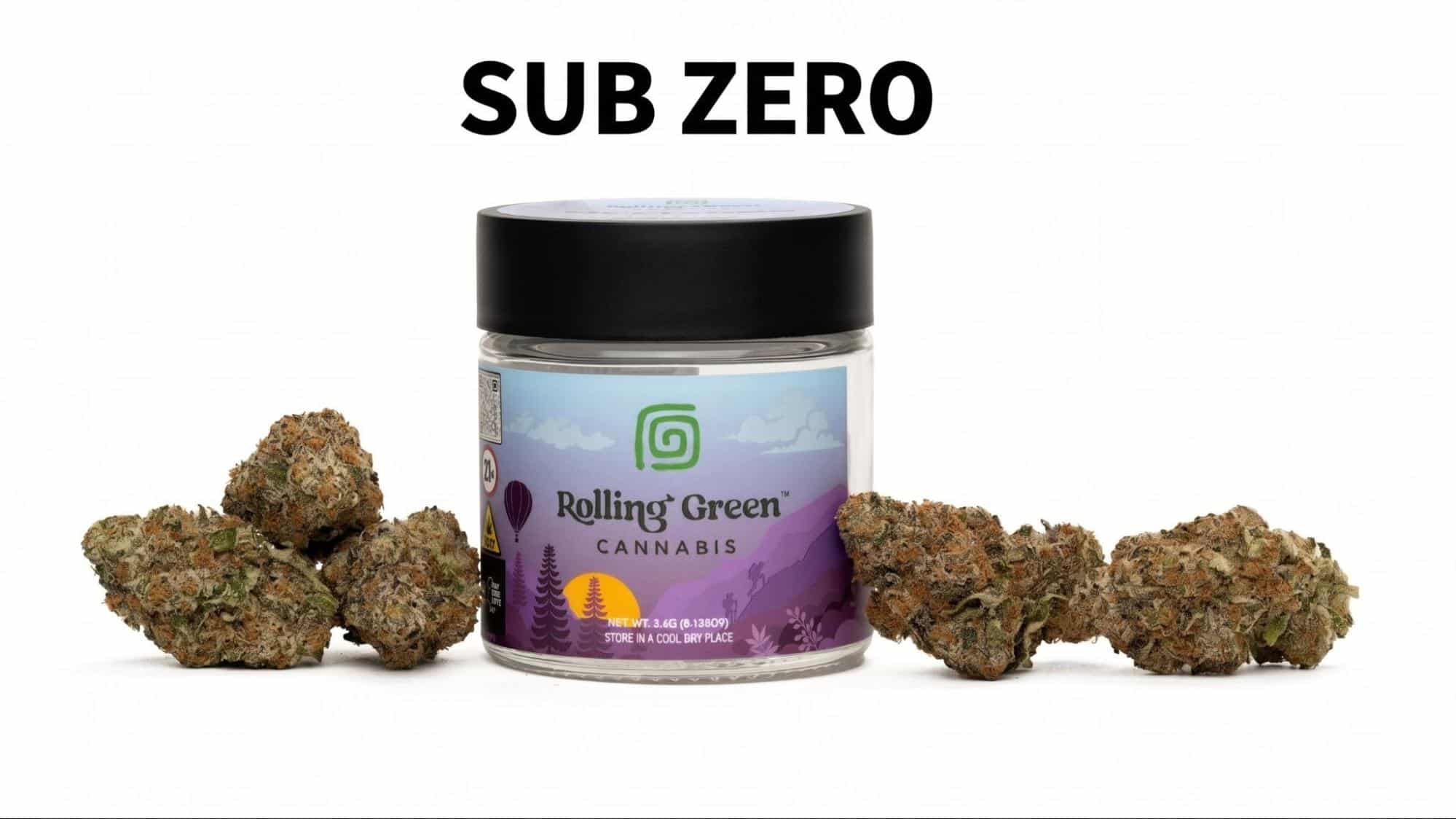
Rolling Green’s Sub Zero is currently the highest-testing flower strain reported in New York’s legal market for 2026, testing at 33.53% THC.
Potency testing measures the amount of chemical compounds called cannabinoids—most notably THC (which gets you high) and CBD (which relaxes you).
The Problem: Raw cannabis does not actually contain much THC. Instead, it contains THCA (an acid form). When you burn it, THCA turns into THC. If a lab uses heat to test the raw plant, it alters the chemistry before they can measure it.
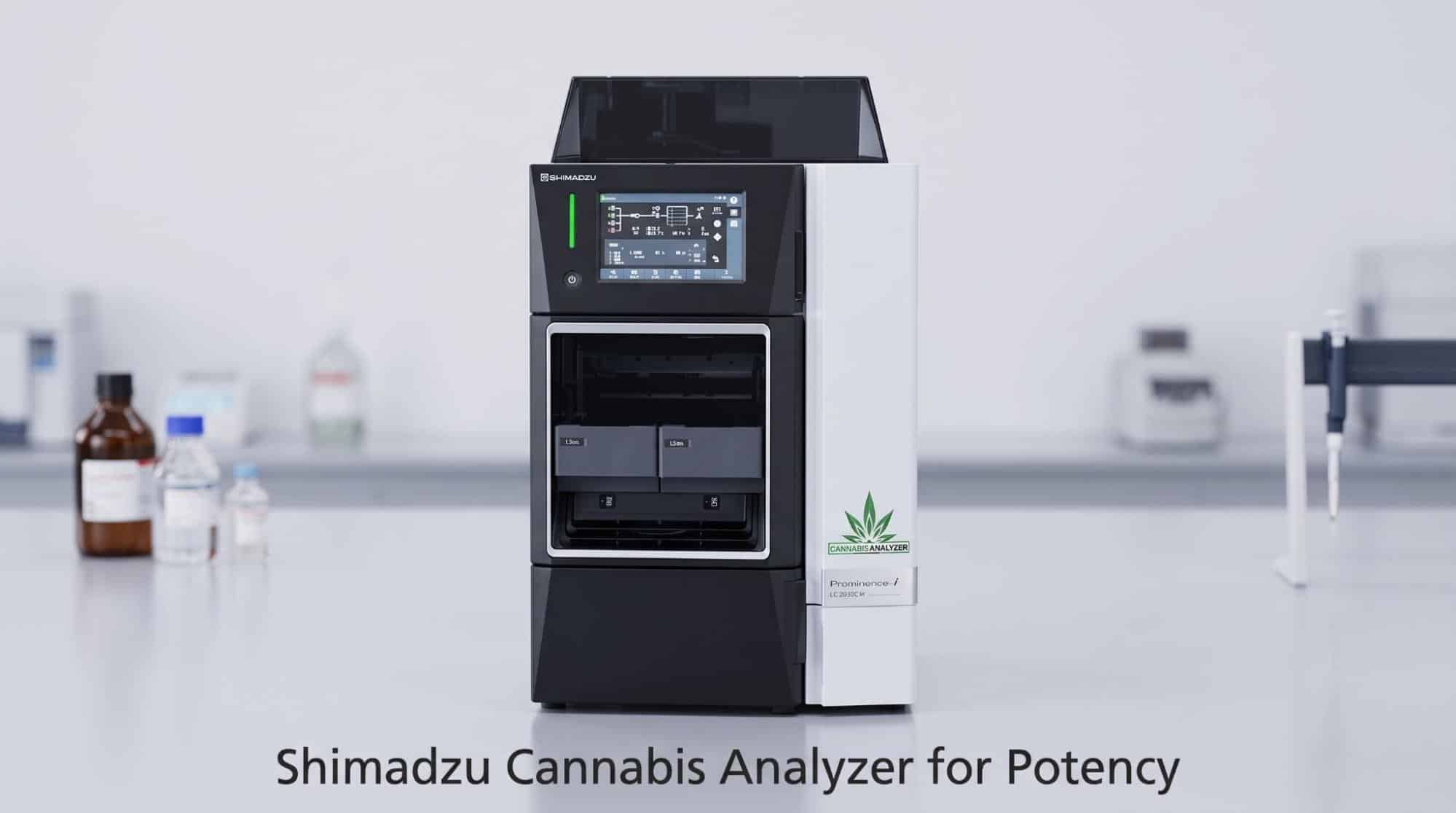
The Solution: Labs use a machine called an HPLC (like the Shimadzu Cannabis Analyzer for Potency). The technician grinds up the flower, mixes it with a liquid solvent to dissolve the THC/THCA, and filters it.
How it works: The machine pumps this liquid at incredibly high pressure through a tightly packed tube. Different cannabinoids travel through the tube at different speeds. By the time they come out the other side, they are separated into a neat line. A light sensor measures how much of each compound passes by, giving an exact reading of the potency.
2. Terpenes (The Smell and Flavor)
Terpenes are the essential oils that give different cannabis strains their unique scents and taste, like pine, citrus, or berry.
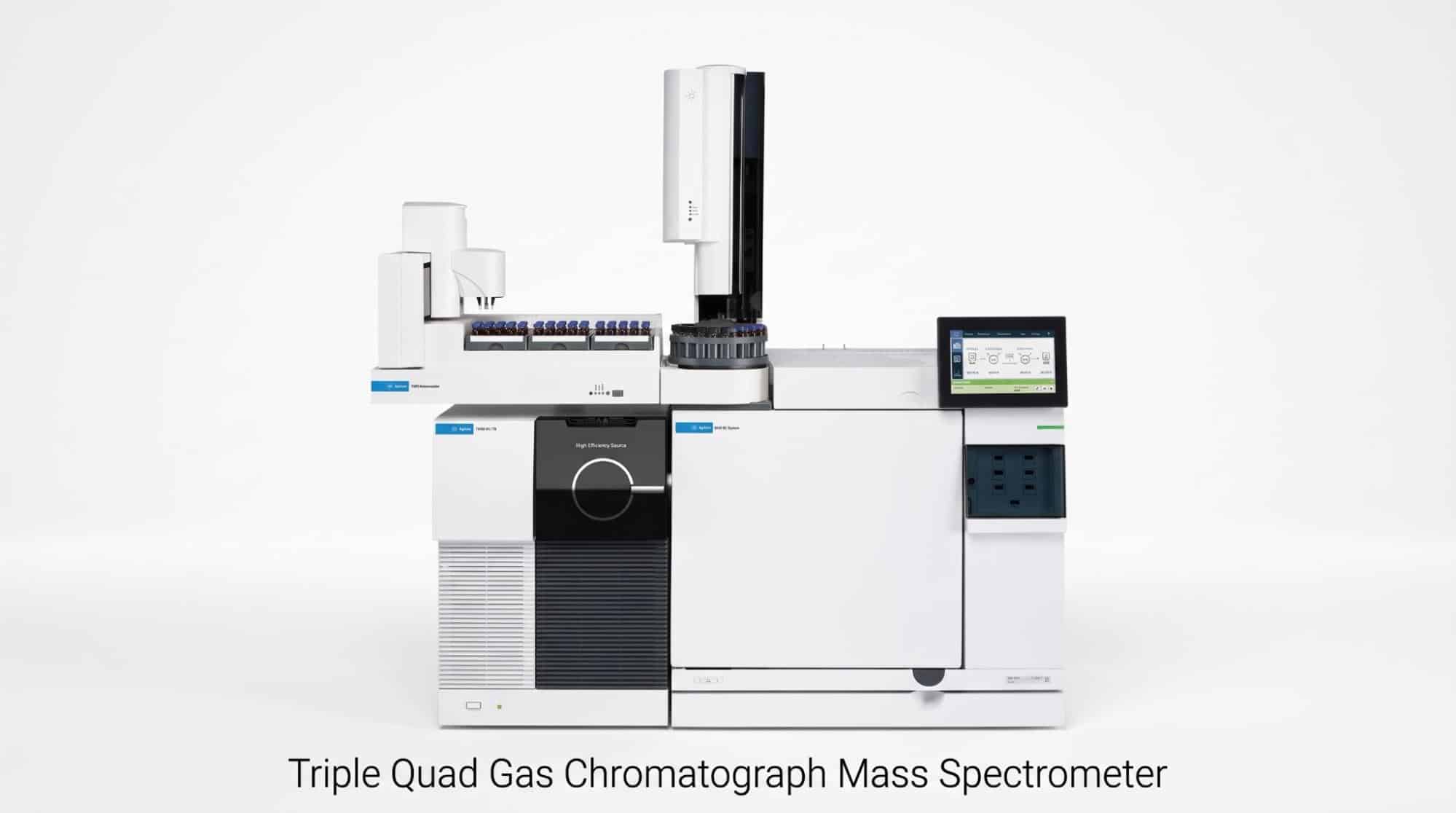
How it works: Because these oils evaporate easily, labs use a process called Gas Chromatography (using instruments like the Waters Xevo TQ-GC).
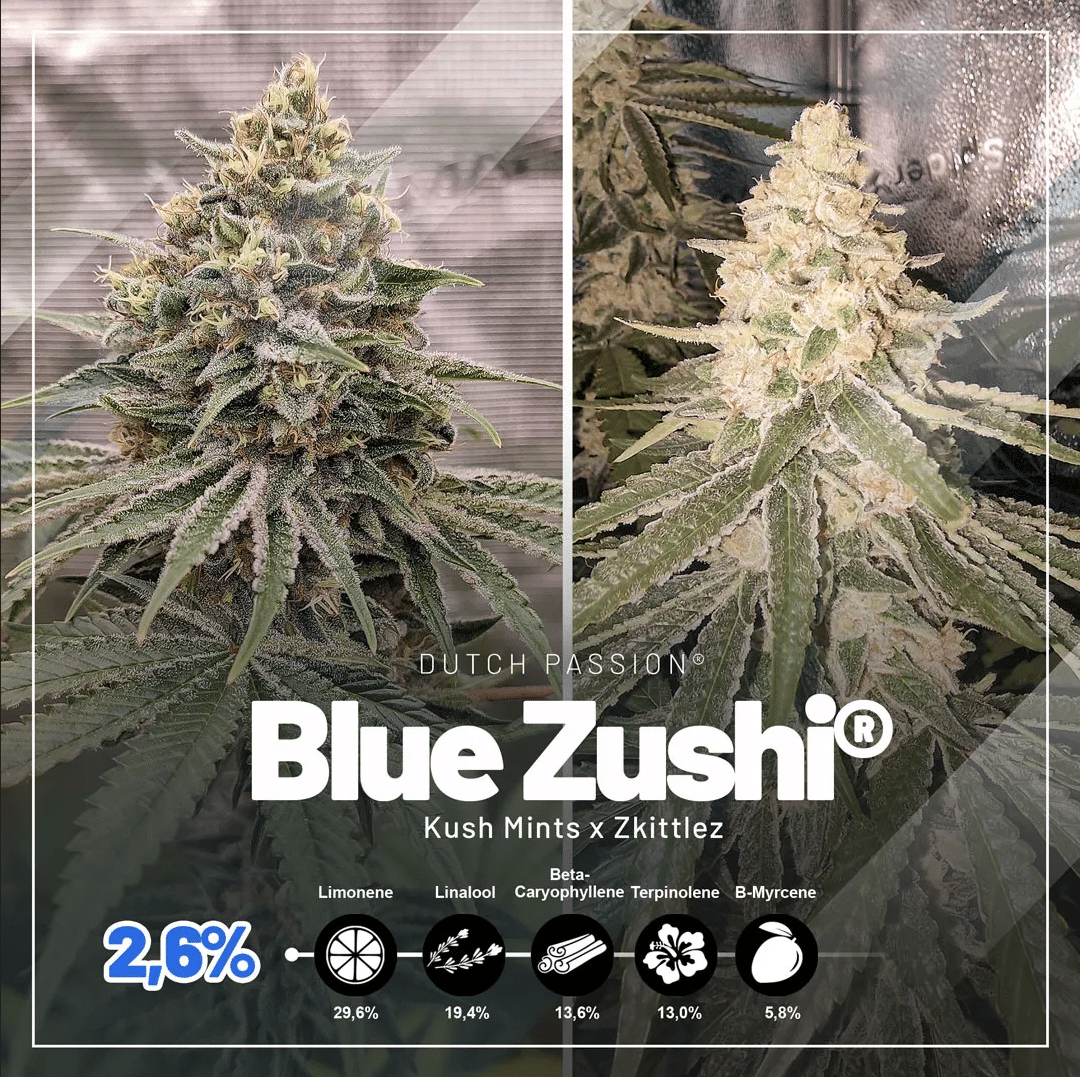
The Process: Instead of turning the plant into a liquid, the lab seals the cannabis in a small glass vial and heats it up just enough so the aromatic oils turn into a gas. The machine injects this gas into a long, thin tube inside a specialized oven. A stream of helium gas pushes the vapors along. As the oven heats up, the different scents separate. A detector at the end identifies each smell and measures how much of it is present.
3. Heavy Metals (Cleaning up the Dirt)
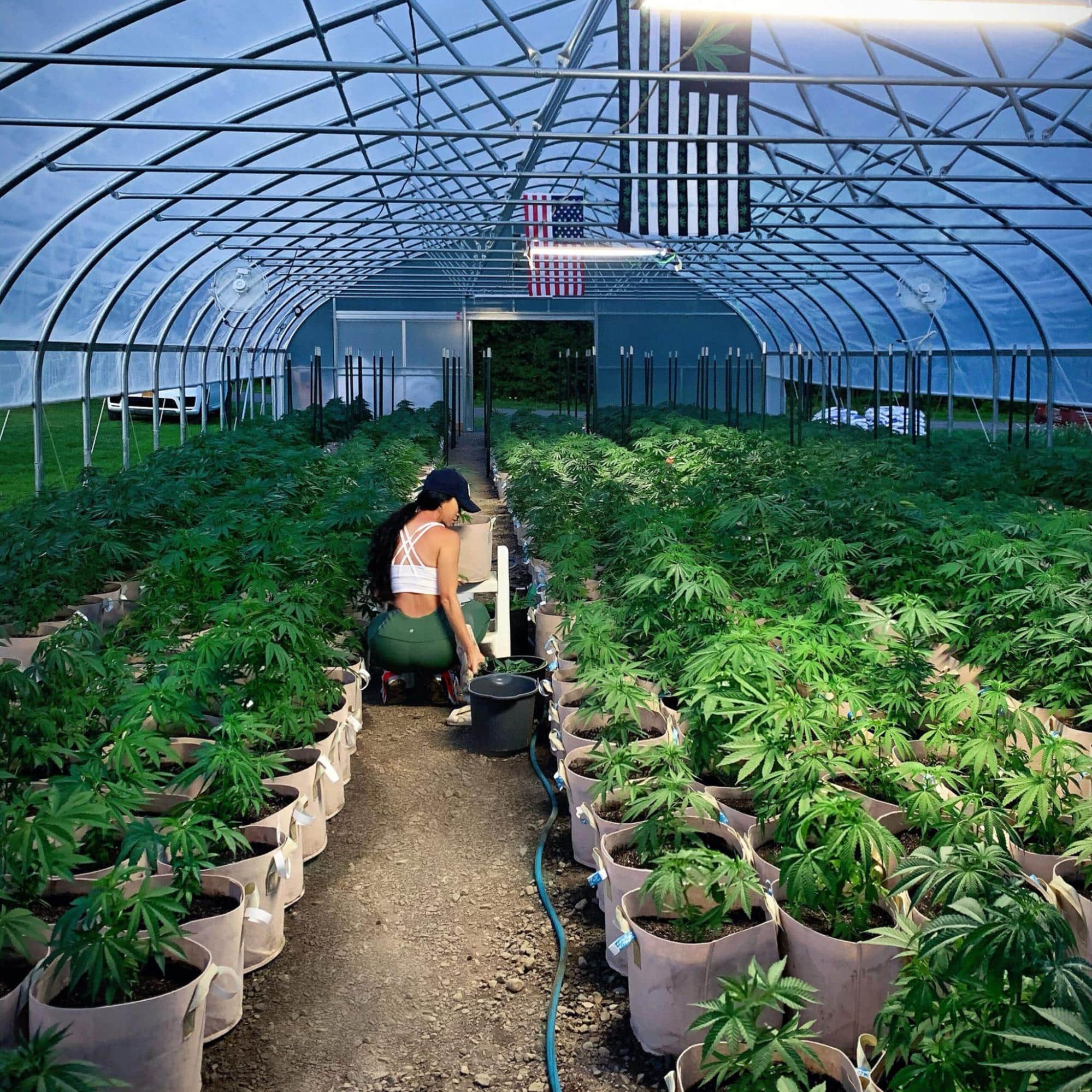
Cannabis plants act like giant environmental sponges. If there are toxic metals in the dirt or water—like Lead, Mercury, Cadmium, or Arsenic—the plant will aggressively suck them up.
How it works: To find trace amounts of these metals, labs use a machine called an ICP-MS (such as the Agilent 7850 ICP-MS).
The Process: First, the lab dissolves the plant material using extremely strong acids in a high-pressure microwave, turning the solid flower into a clear liquid. Next, this liquid is sprayed into a plasma torch that burns at roughly 10,000 degrees—hotter than the surface of the sun. This intense heat tears the sample apart into basic atomic particles. The machine then uses powerful magnets to sort and count the metal atoms by weight, detecting even a single drop of poison in a stadium-sized pool.
4. Pesticides & Chemical Contaminants
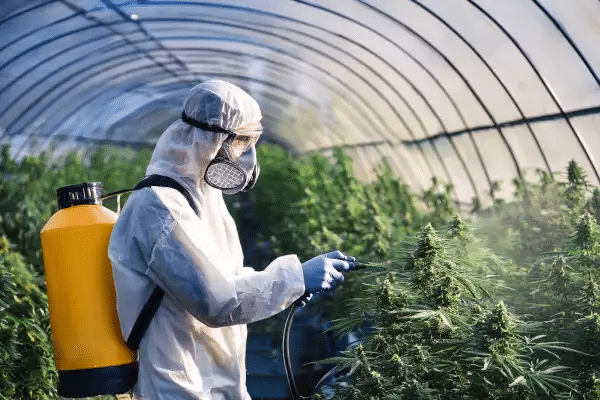
Growers sometimes use illegal chemical sprays to kill bugs or stop crop diseases. Because consumers smoke or eat cannabis, these chemical residues can be highly dangerous.
How it works: Labs use an ultra-sensitive system called LC-MS/MS (like the Thermo Scientific TSQ Altis).
The Process: The lab extracts the chemicals from the plant and shoots them into the machine. The machine turns the chemicals into an electrical mist and pushes them into a sorting chamber. The machine isolates a suspect chemical, smashes it apart with gas molecules, and weighs the broken pieces. Because every pesticide shatters into a unique, predictable pattern of fragments, the machine can instantly identify exactly what chemical spray was used, even at microscopic levels.
5. Moisture and Dryness
If cannabis flower is too wet, it will grow mold in the jar. If it is too dry, it loses its flavor, burns too fast, and turns to dust.
How it works: Labs use two simple tools. First, a Halogen Moisture Analyzer (like those made by Sartorius) acts as a high-precision scale with a built-in heater. It weighs the bud, dries it out completely with infrared light, and weighs it again. The weight lost is the moisture percentage.
Water Activity: Labs also use a Chilled-Mirror Meter. This measures the “free” humidity trapped inside the bud. If the air inside a sealed container of cannabis gets too humid, mold spores will wake up and grow. The meter ensures the flower is dry enough to keep mold asleep.
6. Mold, Yeast, and Bacteria
Inhaling mold spores or nasty bacteria can make anyone sick, but it is incredibly dangerous for medical patients with weak immune systems. Labs specifically hunt for deadly microbes like Salmonella, E. coli, and Aspergillus mold.
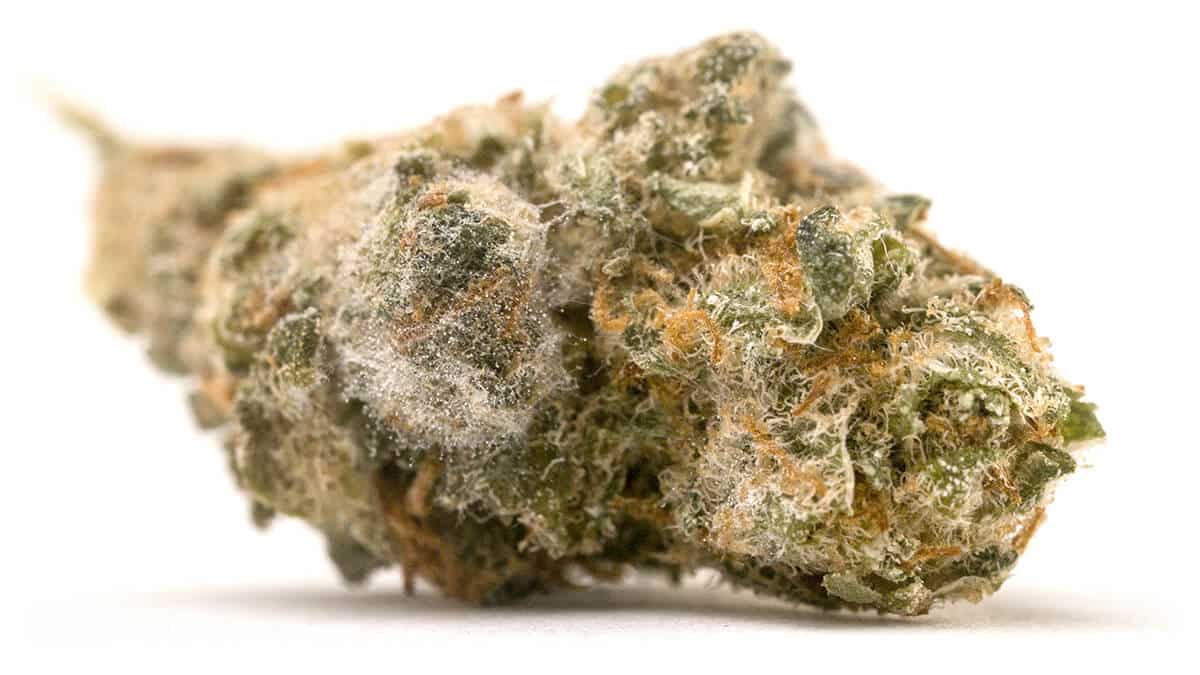
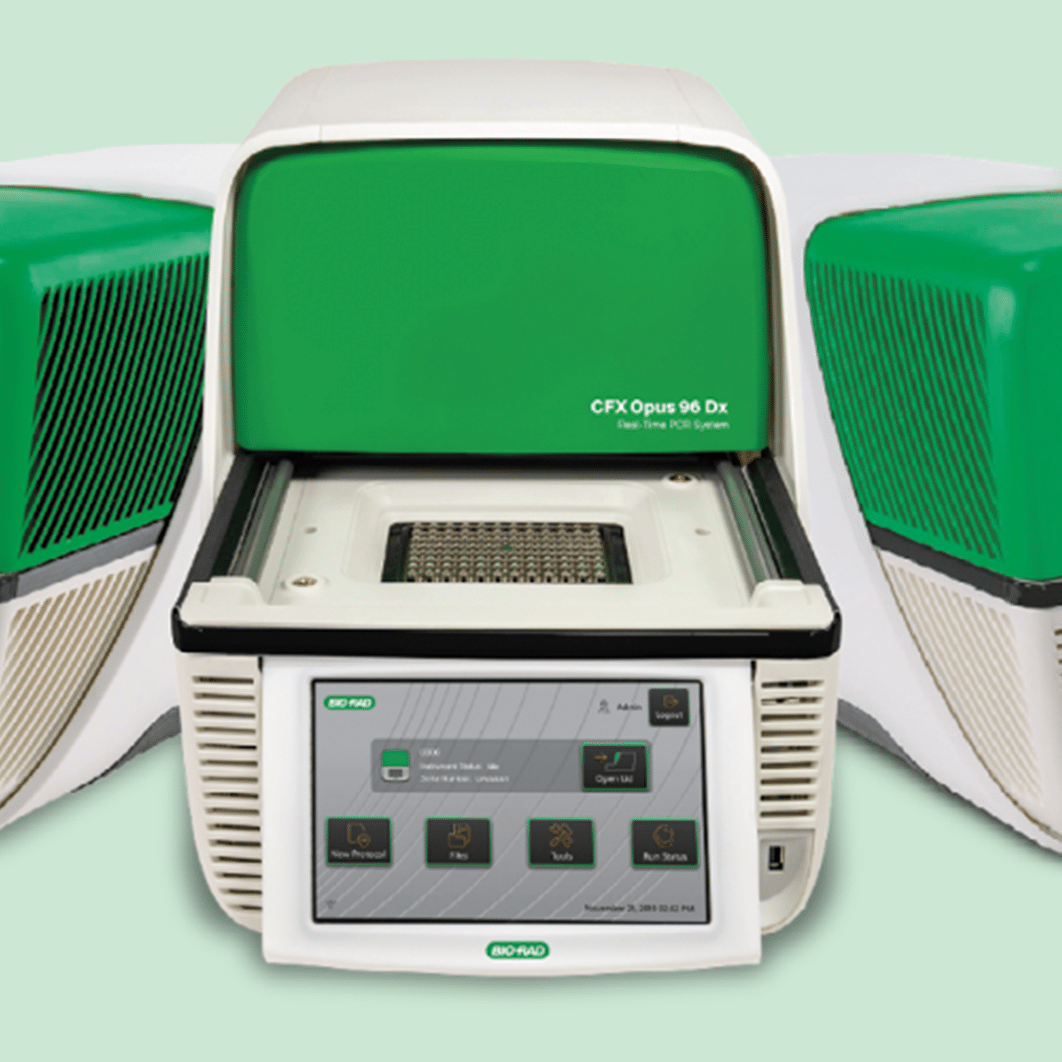
How it works: Instead of waiting days for mold to grow in a petri dish, modern labs use qPCR technology (similar to the DNA tests used in medical clinics).
The Process: The technician washes the cannabis to gather any invisible microbes on the surface, then uses chemicals to crack them open and release their DNA. This DNA is loaded into a thermal cycling machine. If the target DNA (like Salmonella DNA) is present, the machine acts like a molecular copy machine, making billions of copies of that specific DNA strand. As it creates copies, it lights up with a glowing dye. If the machine starts glowing, it means the bad bacteria or mold is present, and the batch fails the safety test.
Why Cannabis Testing Matters for Brooklyn Consumers
Every time a legal cannabis product passes these tests, it means a team of scientists used heavy-duty chemistry equipment to ensure it is clean and labeled accurately. Without these labs, there would be no way to know if a product is safe to consume.